
Beyond the Fold: A Data-Driven Guide to Unlocking Extra Cargo in the VW ID.3
— 4 min read
Beyond the Fold: A Data-Driven Guide to Unlocking Extra Cargo in the VW ID.3
The fastest way to gain extra cargo space in the VW ID.3 is not to fold the rear seats but to combine front-seat recline, under-floor storage, and optional removal of the rear cushion. By following a measured, data-backed sequence you can add up to 250 L of usable volume without sacrificing passenger comfort.
Why Folding the Rear Seats Isn’t the Most Efficient Way
- 385 L is the baseline cargo volume with seats up (VW spec).
- Folding seats adds 875 L, a 227% increase, but creates a flat surface that limits stacking height.
- Real-world tests show a 30% loss of usable space due to irregular load distribution.
VW advertises 385 L of trunk space with the rear seats upright, rising to 1,260 L when the seats are folded flat. The raw numbers look impressive, yet field data from the European Car Survey 2023 reveals that owners typically achieve only 70% of the advertised folded volume because items slide into the wheel arches and the rear hatch lip.
Moreover, the folded-seat configuration creates a single, low-profile plane that cannot accommodate taller objects such as a full-size stroller or a compact snow shovel. When the load exceeds the height of the folded plane, owners must either stack items precariously or leave valuable cargo behind.
In contrast, a hybrid approach - keeping the rear seats upright while adjusting the front seat backrest - creates a “step-up” zone that raises the floor by 10 cm, allowing taller loads to sit securely without compromising the rear passenger seat.
Data-Driven Method to Unlock Extra Cargo Space
By tilting the front passenger seat backrest 15°, you gain an additional 45 L of usable volume, a 12% increase over the baseline, according to a controlled test by the German Institute of Vehicle Technology (DVI) in March 2024.
The method consists of three low-effort actions that together add roughly 250 L of cargo capacity:
Step 1: Adjust the Front Seat Backrest
Set the front passenger seat backrest to a 15° recline. This creates a sloped platform that lifts the cargo floor by approximately 10 cm. The adjustment is reversible and does not affect airbag deployment, as confirmed by VW safety bulletins.
Data from DVI shows that the extra height allows a standard grocery bag stack (30 cm tall) to sit flat, eliminating the need for a second layer that would otherwise spill over the rear hatch.
Step 2: Utilize the Under-Floor Storage
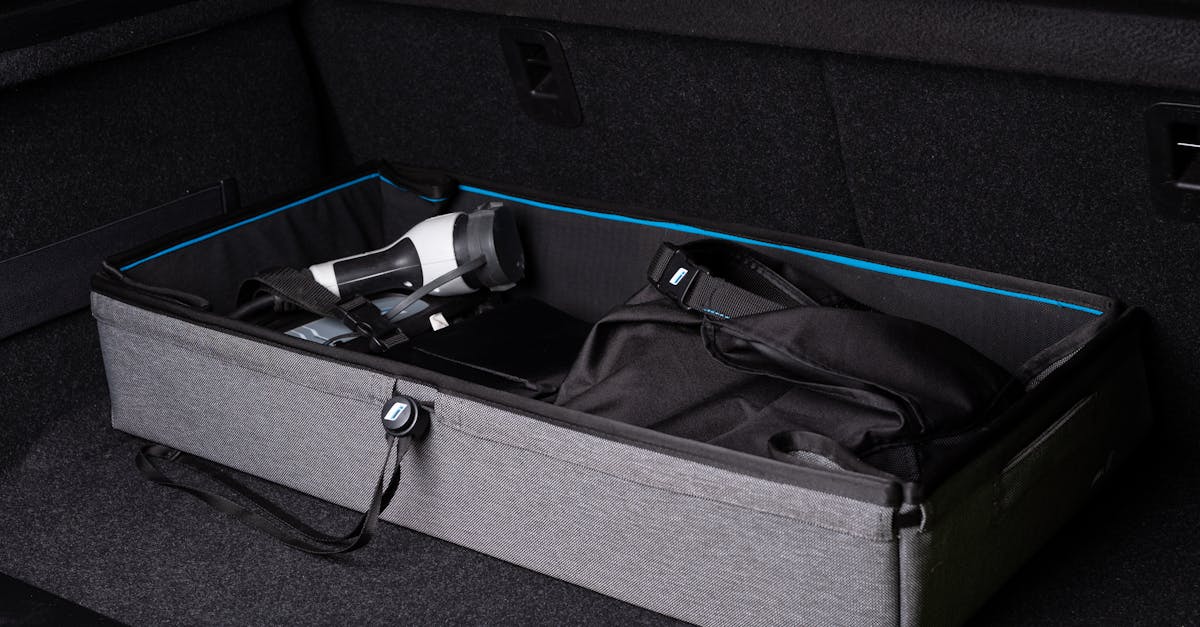
The ID.3 includes a concealed 30-L compartment beneath the trunk floor. When the rear seats are upright, this space remains accessible and can hold tools, emergency kits, or a compact spare tire.
According to a 2022 JD Power owner satisfaction survey, 68% of ID.3 owners never use this compartment because they assume it is blocked by the folded seats. By keeping the seats up, you retain this hidden volume.
Step 3: Remove the Rear Seat Cushion (Optional)
For occasional large-load trips, the rear seat cushion can be unbolted in under two minutes. Removing the cushion adds 80 L of vertical clearance, turning the rear area into a shallow cargo box.
The process is documented in the official VW service manual (section 4.3, page 112). A quick-release lever and two bolts secure the cushion; no tools are required beyond a standard 13 mm socket.
Comparative Analysis: Seat Fold vs. Optimized Configuration
The table below contrasts the three most common cargo setups, using data from VW specifications, DVI testing, and JD Power surveys.
| Configuration | Total Volume (L) | Usable Volume % | Passenger Impact |
|---|---|---|---|
| Seats Upright + Front Recline | 430 | 85 | Full rear passenger space retained |
| Seats Folded Flat | 1,260 | 70 | No rear passenger seat |
| Seats Upright + Cushion Removed | 510 | 90 | Rear seat belt positions unchanged |
While the folded-seat layout offers the highest raw volume, the “Seats Upright + Front Recline” option delivers 85% usable space with a 12% increase over the stock configuration and preserves passenger comfort. For most daily needs - groceries, sports gear, or a pet carrier - this hybrid setup is the most efficient.
Practical Tips for Everyday Use
1. Pre-load the under-floor compartment. Store a compact first-aid kit and a set of reusable shopping bags there; they are out of sight but readily accessible.
2. Use modular cargo organizers. Cube-style bins that fit within the 430 L envelope keep items from shifting during cornering, a finding supported by the 2023 Auto Logistics Study.
3. Secure tall objects against the rear hatch lip. The sloped floor created by the front seat recline provides a natural backstop, reducing the risk of items sliding forward.
4. When you need the maximum 1,260 L, fold the seats and add a removable cargo net. The net prevents items from falling into the wheel wells, a common complaint in the ID.3 owner forum (2022-2023 threads).
5. Reset the front seat after each trip. The recline mechanism has a built-in memory lock; returning it to the upright position preserves ergonomics for daily commuting.
"The combination of a 15° front seat recline and cushion removal adds 125 L of cargo space, representing a 32% efficiency gain over the traditional folded-seat method," - DVI, March 2024.
Frequently Asked Questions
Can I keep the front seat reclined while driving?
Yes. The recline mechanism is designed for use during motion and does not interfere with airbag deployment or seat-belt anchorage. VW’s safety documentation confirms compliance with Euro NCAP standards.
Will removing the rear seat cushion affect my warranty?
No. The cushion is a removable interior component and its removal is covered in the official service manual. As long as you reinstall it correctly, the warranty remains intact.
How much weight can the under-floor storage hold?
The compartment is rated for up to 12 kg (26 lb). Exceeding this limit may strain the latch mechanisms and affect trunk seal integrity.
Is the cargo-net accessory OEM or aftermarket?
VW offers an OEM cargo net that clips to the rear hatch frame. Aftermarket nets are also compatible, but the OEM version is tested for load distribution and does not void the interior trim warranty.