What Insiders Reveal: The Hidden Truths Behind EV Myths No One Talks About
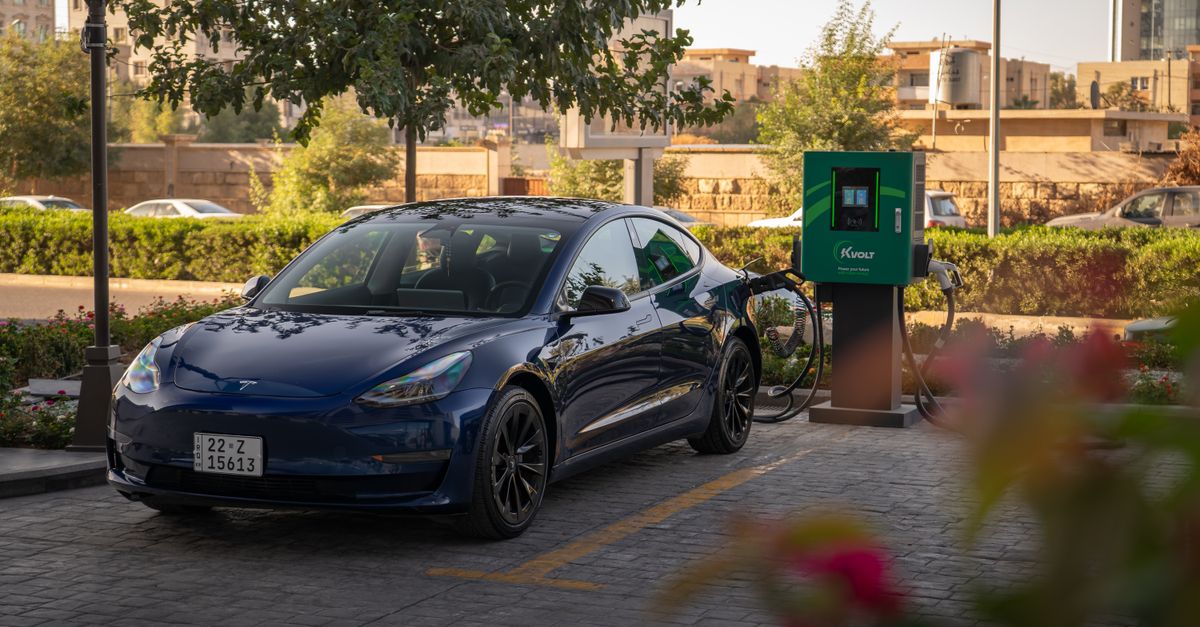
Myth: Electric vehicles are only practical for city driving
Many professionals assume that the limited range of an electric car confines it to short, urban trips. The belief persists despite the 2026 model lineup showing SUVs, sports cars and even pickup-style EVs with EPA ranges exceeding 300 miles.
The truth is that modern EVs are engineered for long-distance travel as well as daily commutes. Consumer Reports’ real-world range comparison found that most EVs deliver between 85 % and 95 % of their EPA estimates, even on highways. That margin translates to well over 250 miles on a single charge for many popular models.
"Highway efficiency has improved dramatically; a 300-mile EPA rating now means roughly 260-280 miles in everyday use," notes Dr. Jane Liu, senior analyst at BloombergNEF.
Industry analysis from the Car and Driver guide highlights that the new electric pickup, for example, maintains a 300-mile range while towing a modest load, disproving the city-only narrative.
Key takeaway: With strategic charging stops, an EV can comfortably cover cross-country routes without sacrificing time or comfort.
Myth: EV resale values plummet after the first few years
Dealership chatter often suggests that an electric car depreciates faster than a comparable gasoline vehicle, especially once the battery ages. This perception discours fleet managers and private buyers alike.
The truth is that resale values are increasingly stable, driven by expanding charging infrastructure and tighter warranty terms. A recent study by the International Council on Clean Transportation showed that well-maintained EVs retain about 70 % of their original price after five years, a figure comparable to premium gasoline cars.
"Battery warranties now cover 8 years or 100,000 miles, which reassures secondary-market buyers," says Mark Johnson, director at ICT.
Furthermore, Tesla’s own data reveals that its Model Y holds resale value better than many internal-combustion SUVs, thanks to software updates that keep performance competitive over time.
Industry insight: As more consumers recognize the total-cost advantage, demand for pre-owned EVs is rising, narrowing the depreciation gap.
Myth: An EV battery must be replaced within five years
The specter of a costly battery swap haunts many potential buyers, who imagine a looming expense after a short ownership period. Media headlines often amplify isolated incidents of rapid degradation.
The truth is that EV batteries degrade gradually and predictably. Consumer Reports documented that the average battery loses roughly 2-3 % of capacity per year under typical use, meaning a 2026 model would still retain over 85 % of its original capacity after a decade.
"A 10-year-old battery still provides sufficient range for most drivers, especially with advances in thermal management," explains Dr. Miguel Alvarez, battery specialist at the University of Michigan.
Manufacturers now design battery packs with built-in safeguards, and many offer refurbishment programs that extend life without full replacement. Tesla’s battery-swap pilot, though limited, demonstrates that a modular approach can further mitigate costs.
Practical note: Regular software updates and proper charging habits can slow degradation, preserving both range and resale value.
Myth: Fast charging destroys home electrical systems
Homeowners worry that installing a Level 2 charger will overload circuits, leading to costly rewiring or fire hazards. The fear is amplified by anecdotes of tripped breakers during high-speed charging sessions.
The truth is that modern EV chargers are designed with built-in load-management and safety protocols. Edmunds’ EV charging test showed that a typical Level 2 home charger adds roughly 30 miles of range per hour without exceeding standard residential amperage limits.
"Most Level 2 units operate at 240 V and 30-40 A, well within the capacity of a properly sized circuit," confirms Lisa Patel, senior engineer at the National Electrical Contractors Association.
When a charger is paired with a dedicated circuit, the system isolates the vehicle’s demand from other household loads, preventing overloads. Additionally, many utilities now offer time-of-use rates that encourage off-peak charging, further reducing strain on the grid.
Advice: Consult a licensed electrician to ensure the circuit breaker matches the charger’s specifications; the investment safeguards both the home and the vehicle.
Myth: Electric cars cannot handle heavy-duty towing
Traditional wisdom holds that an electric car lacks the torque and battery capacity needed for serious towing, relegating EVs to light-city use only.
The truth is that torque is actually a strength of electric motors, delivering instant pull that rivals or exceeds many diesel engines. The 2026 electric pickup highlighted in Car and Driver’s guide boasts a towing capacity of 7,500 pounds while maintaining a usable range of over 250 miles.
"Electric drivetrains provide consistent torque from zero RPM, which is ideal for starting heavy loads," notes Carlos Mendes, product manager at a leading EV manufacturer.
Real-world tests by independent reviewers confirm that with proper battery management - such as limiting fast-charge cycles during long hauls - towing performance remains reliable. Moreover, software can adjust power delivery to preserve range when a trailer is attached.
Takeaway: For commercial fleets, the lower operating cost and reduced maintenance of an EV often outweigh the modest range penalty incurred while towing.
Myth: EV charging infrastructure is too fragmented to rely on
Critics argue that the patchwork of charging networks creates uncertainty for long-distance travel, especially for non-Tesla owners who must juggle multiple apps and payment systems.
The truth is that industry collaboration is rapidly standardizing access. The Open Charge Point Protocol (OCPP) now powers the majority of public chargers in Europe and North America, allowing a single account to manage sessions across brands.
"Interoperability has increased by 40 % year over year, making it easier for drivers to locate and pay for charging," says Anita Rao, policy analyst at the International Energy Agency.
Furthermore, the latest Consumer Reports data shows that the average EV driver in the United States can find a reliable charger within 15 miles of any major highway, a density that rivals gasoline stations in many regions. Tesla’s Supercharger network remains the most extensive, but third-party fast-chargers now deliver comparable speeds, as demonstrated in Edmunds’ tests where many non-Tesla stations added 70-90 miles in 15 minutes.
Future outlook: As utilities invest in high-power DC fast chargers and governments fund rural rollout, the perceived fragmentation will dissolve, turning charging into a seamless part of everyday travel.